Carbon monoxide alarms
A carbon monoxide (CO) alarm is an important way to help keep you and your family safe at home. Make sure you have an alarm fitted and know what to do if it sounds.
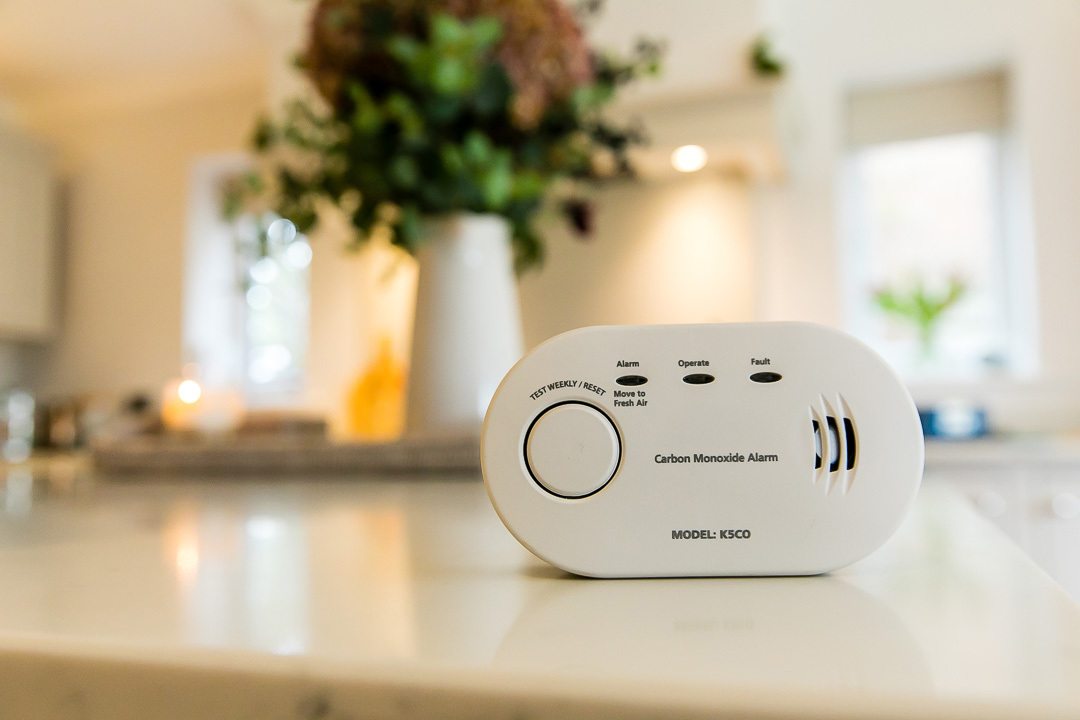
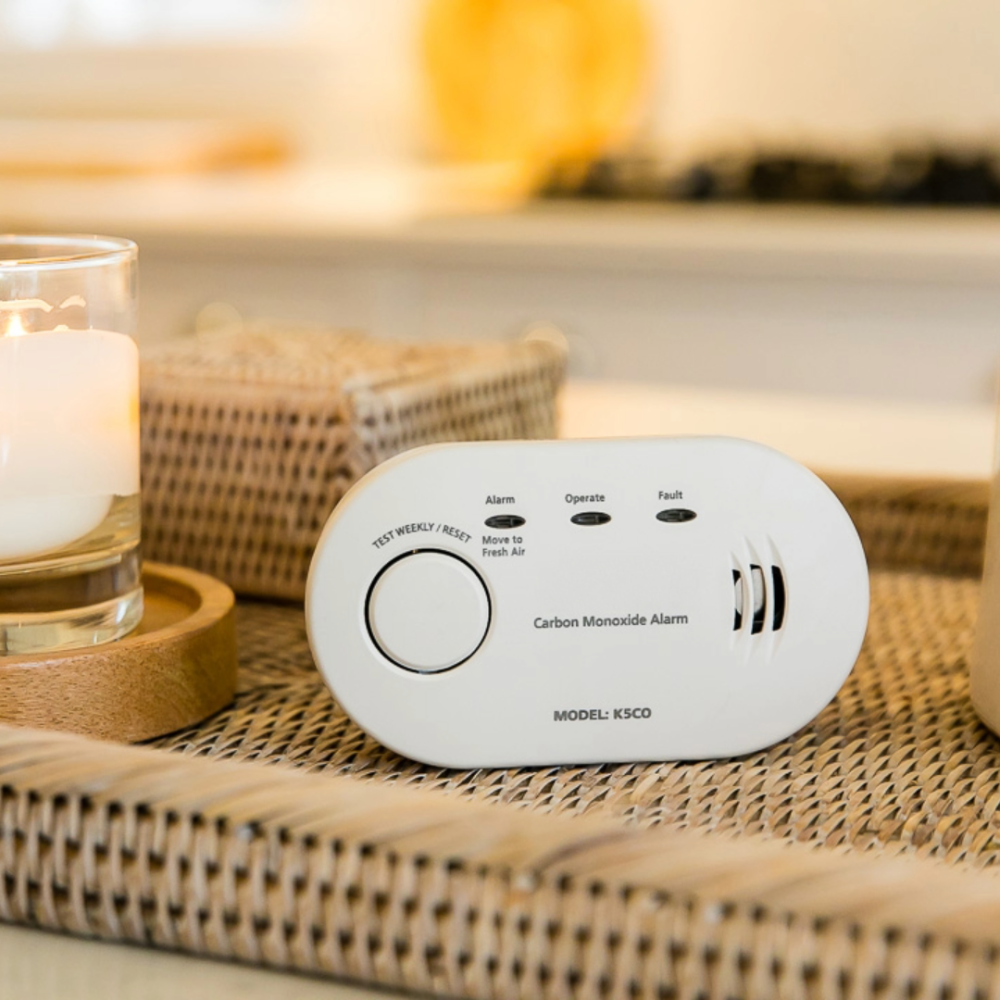
Every home should have an alarm that alerts you to the presence of carbon monoxide (CO). Pick one up from your local DIY store, supermarket or online.
Make sure your CO alarm complies with British Standards BS EN50291-1. Look for the BSI Kitemark logo.
Your energy supplier may also be able to provide you with one.
You should always check and follow manufacturer’s instructions when it comes to placing and testing your carbon monoxide alarm.
Here are a few things to keep in mind:
-
Place the alarm at door height, between 1-3 meters away from a fuel-burning appliance. You should have an alarm in reach room that has a fuel-burning appliance.
-
Don’t place the alarm too close to any appliance that produces a flame.
-
Don’t put the alarm in enclosed areas or near windows, doors or ventilation equipment.
-
It’s recommended to have a carbon monoxide alarm on each floor of your home.
Testing your carbon monoxide alarm regularly is important, ideally once a month. Set yourself a reminder so you never forget to do so.
Remember to pay close attention to the alarm’s battery life and when it needs replacing. Many carbon monoxide alarms have an expiry date marked on them. Keep a note of this and replace once the date as passed.

Did you know landlords must provide carbon monoxide alarms in room with fixed fuel-burning appliances? They also must ensure the work at the start of your tenancy and check regularly.
If an alarm in your home is missing or faulty, report it to your landlord immediately. They are required to repair or replace them.
If your CO alerts you, there are some simple steps to take to keep yourself and your loved ones safe:
-
Turn off your gas appliances and extinguish any fires (such as a log burner).
-
Open all windows and doors to allow air flow and ventilation.
-
Leave the property, including taking any pets with you.
-
Call the National Gas Emergency Service on 0800 111 999. Lines are open 24/7.
-
If you are feeling unwell, see medication attention immediately.