Carbon monoxide advice
Know the risk, stay safe. Carbon monoxide (CO) is a poisonous gas that you cannot see, smell or taste. It can be produced by faulty, poorly maintained or poorly ventilated appliances and can make people seriously ill or even be fatal.

Carbon monoxide is produced by the incomplete burning of carbon-based fuels, such as gas, oil, coal, wood, petrol, and charcoal.
Because you cannot see, smell or taste it, a working CO alarm that alerts you is an essential thing in your home.
Common household appliances that can be at risk of carbon monoxide poisoning are:
-
Boilers
-
Gas cookers & hobs
-
Gas or wood-burning fireplaces
-
Open fires
-
Portable gas heaters
-
BBQs, pizza ovens and chimeneas




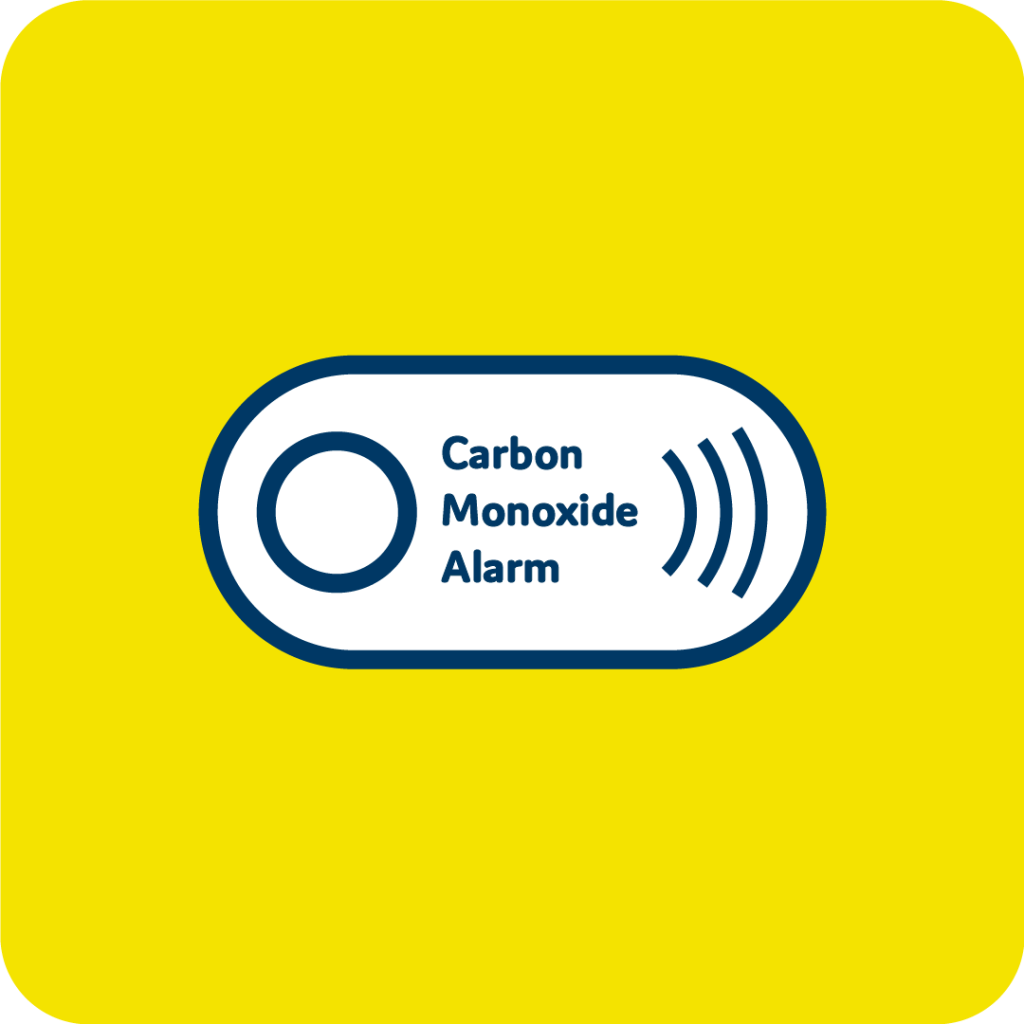
A carbon monoxide alarm can provide an important warning if CO is present in your home. Find out how to stay safe and protect the people you live with.
Poorly maintained or faulty gas appliances can put you at risk of carbon monoxide. Regular servicing by a Gas Safe registered engineer can help keep you and your household safe.
BBQs and other fuel-burning outdoor appliances can produce carbon monoxide. Using them in an enclosed space can put you and others at risk.

Stay safe wherever you go. Whether you’re camping, travelling in a motorhome or holidaying abroad, don’t forget about carbon monoxide. Know the risks and how to keep yourself and others safe.
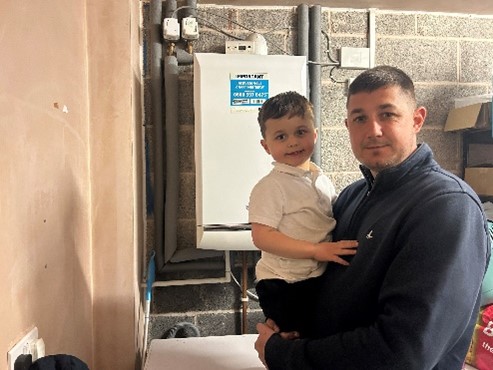
When a beeping carbon monoxide alarm kept going off in Kris Dillon’s home, he was forced to take action.
“Our boiler is situated in an internal garage above my eight-year-old son’s bedroom.” Kris said. “My wife called me one day to explain that the carbon monoxide alarm that we have in the garage was randomly beeping. I just thought it was the batteries, so asked her to replace it with new ones and see if it stopped. When she called back to say it was still beeping and had been for the past 20 minutes, we Googled what to do and called the National Gas Emergency helpline.
“An engineer from Northern Gas Networks arrived within 20 minutes of us making the call. They did a gas reading and confirmed that carbon monoxide was present in the room and that the reading was quite high. I was shocked.”
The emergency response engineer then capped the gas in Kris’s home to make it safe until a Gas Safe registered engineer could come out to fix the problem.
“NGN offered us electric heaters and a stove while our gas was off, and extra blankets to keep warm. The following day, someone came to service the boiler and confirmed that carbon monoxide was no longer leaking from it, reassuring us by taking several further readings.”
Kris and wife Carly had had the same boiler in place since buying their home seven years ago. “It was the original boiler that was in there when we bought the house but it isn’t particularly old and it’s a reputable brand. We’d had it serviced a few times, but it was due another service last year and we forgot. You just put these things to the back of your mind and think it won’t happen to you. This was a wake-up call.”
Kris’s son, whose bedroom is above the garage, had complained of feeling unwell the night before the CO alarm started beeping. “Looking back, we wonder if that was down to the gas being emitted and we didn’t know. It’s scary to think what could’ve happened if we hadn’t had an alarm in there.”
Kris and Carly have since bought more carbon monoxide alarms and put them on every floor of the house on NGN’s advice and scheduled in reminders for an annual boiler service and chimney sweep. “It’s just not worth the risk. Please check your appliances and get a CO alarm. It could save your life.”

Ummay Alam was seven months pregnant when she went for a routine checkup with her midwife.
While carrying out the standard blow test, which is designed to detect whether carbon monoxide (also known as CO) is present in a patient, Ummay was shocked and alarmed when the reading came back as level 6 – a red flag that the patient is at risk of carbon monoxide poisoning.
She said: “I couldn’t believe it. At my previous midwife appointments, my results had always been level 1. Up to level 3 is fine, anything between 4 and 9 is cause for concern, and anything above 9 is considered dangerous. To be at level 6 was a shock as we get our boiler serviced every year and the only other gas appliance in the house is a cooker.”
Following advice from her midwife, Ummay’s husband contacted Northern Gas Networks and we came out the same day to carry out a full assessment on the property. The Gas Safe Registered engineer confirmed that the gas cooker was omitting CO.
Ummay adds: “Stupidly we didn’t have a carbon monoxide alarm fitted in the house as we never thought things like this happened. It’s been a real wake up call. Our cooker is only five years old; we bought it when we moved into the house, but looking back we had had problems with it cutting out for the past year or so and even had engineers out to look at it who didn’t spot any signs. We didn’t think anything of it.
“I was kind of aware of the symptoms of carbon monoxide poisoning, but I’d never have put two and two together as I was heavily pregnant at the time and a lot of the symptoms – nausea, fatigue, headaches – are all similar. I am so glad the midwife picked it up.”
Being pregnant meant Ummay was eligible for the Priority Services Register and qualified for to have her cooker repaired with new parts, free of charge. “Saving that money was really helpful with an impending newborn, and Northern Gas Networks came to the rescue within just a few days.”
Ummay and husband Mishbah welcomed their first child, daughter Yaseerah, in September 2024.
Carbon monoxide FAQs
-
Can carbon monoxide come from electric heater?
No. Carbon monoxide is produced by fuel-burning appliances, not electric ones.
-
Where should I install a carbon monoxide alarm?
Follow the manufacturer’s instructions and place alarms in appropriate locations near fuel-burning appliances. Learn more about carbon monoxide alarms here.
-
Do I need a carbon monoxide alarm if I rent my home?
Landlords are legally required to install carbon monoxide alarms where required by legislation, but tenants should regularly test them and report if an alarm is not working correctly.
For more information, click here.
-
Do I need more than one carbon monoxide alarm?
It is recommended to fit a carbon monoxide alarm in every room that contains a fuel-burning appliance.
You may also want additional alarms near sleeping areas for extra protection. Always follow the manufacturer’s instructions.
-
Can pets be affected by carbon monoxide?
Pets can suffer carbon monoxide poisoning just like people, and they may show signs of exposure before humans. If your pet becomes suddenly unwell and you suspect carbon monoxide, get everyone into fresh air immediately.
-
What should I do if my carbon monoxide alarm sounds?
Open doors and windows, switch off appliances if it is safe to do so, go outside into fresh air. Call the National Gas Emergency Service on 0800 111 999 and seek medical help if anyone feels unwell. Do not re-enter until it has been confirmed as safe.