If you smell gas, have low gas pressure, no gas supply or suspect carbon monoxide, call 0800 111 999 at any time of the day or night. Find out more about what to do in a gas emergency or if you suspect carbon monoxide.

Customer Care Team
0800 040 7766 (Option 4)

customercare@northerngas.co.uk

Connections Team
0800 040 7766 (Option 2)

gasconnections@northerngas.co.uk

Stakeholder Relations Team

stakeholder@northerngas.co.uk

Smell Gas?
0800 111 999
Day or night
Non-emergency calls
Customer Care Team
0800 040 7766
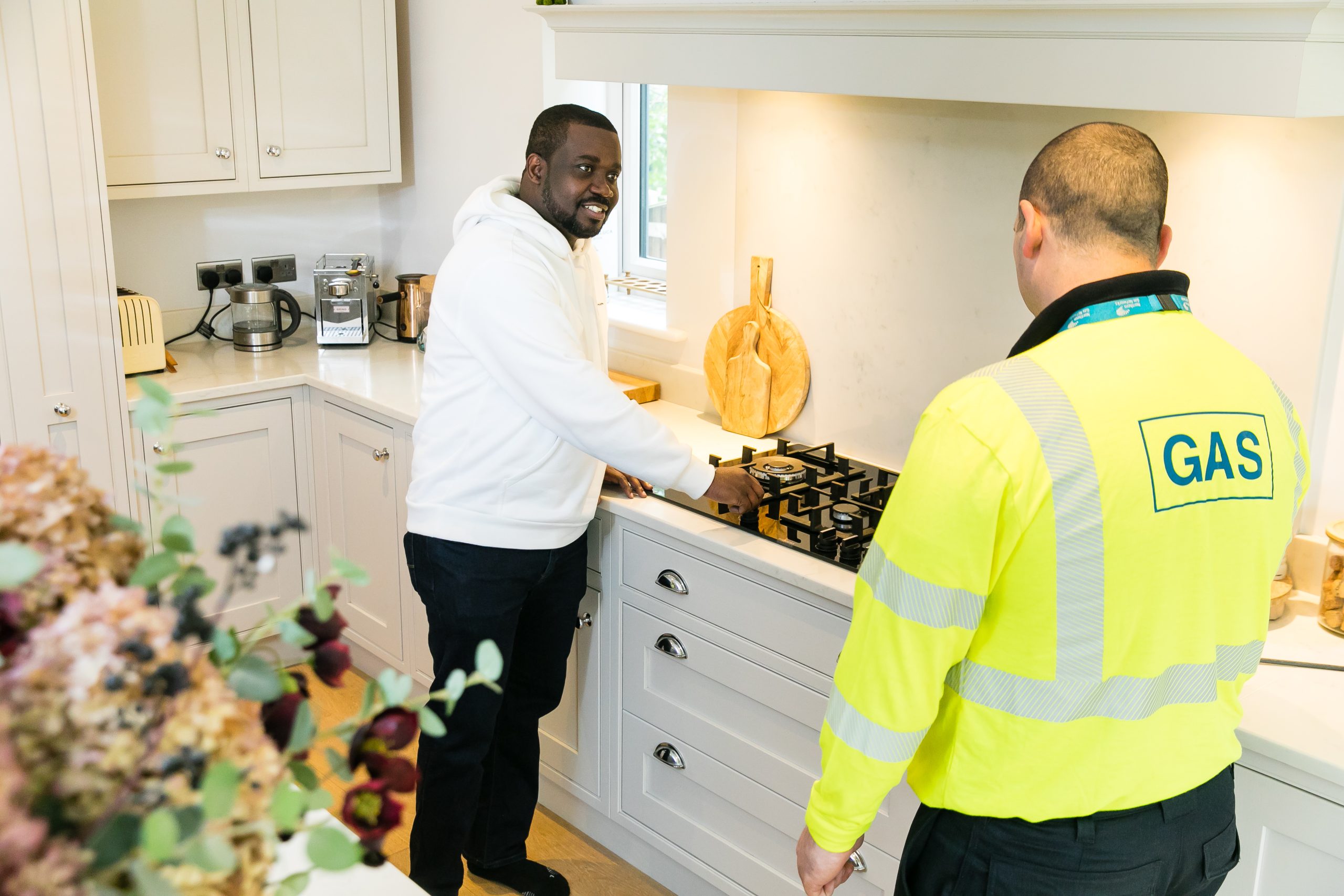
A man in his kitchen showing his gas hob to a gas engineer in a high vis jacket

Keeping safe & warm this winter

During the winter months, we tend to close windows and doors while turning up the central heating to keep warm. However, if you have a Carbon Monoxide (CO) leak, this can be very dangerous.

Carbon Monoxide can leak from incorrectly fitted, badly repaired or poorly maintained gas appliances such as gas hobs and boilers.

Inhaling CO prevents oxygen from being carried around your body, even if it’s just a small amount. 

Be in the know when it comes to CO this winter.

Know the signs and symptoms to look out for and the steps you can take to protect your home.

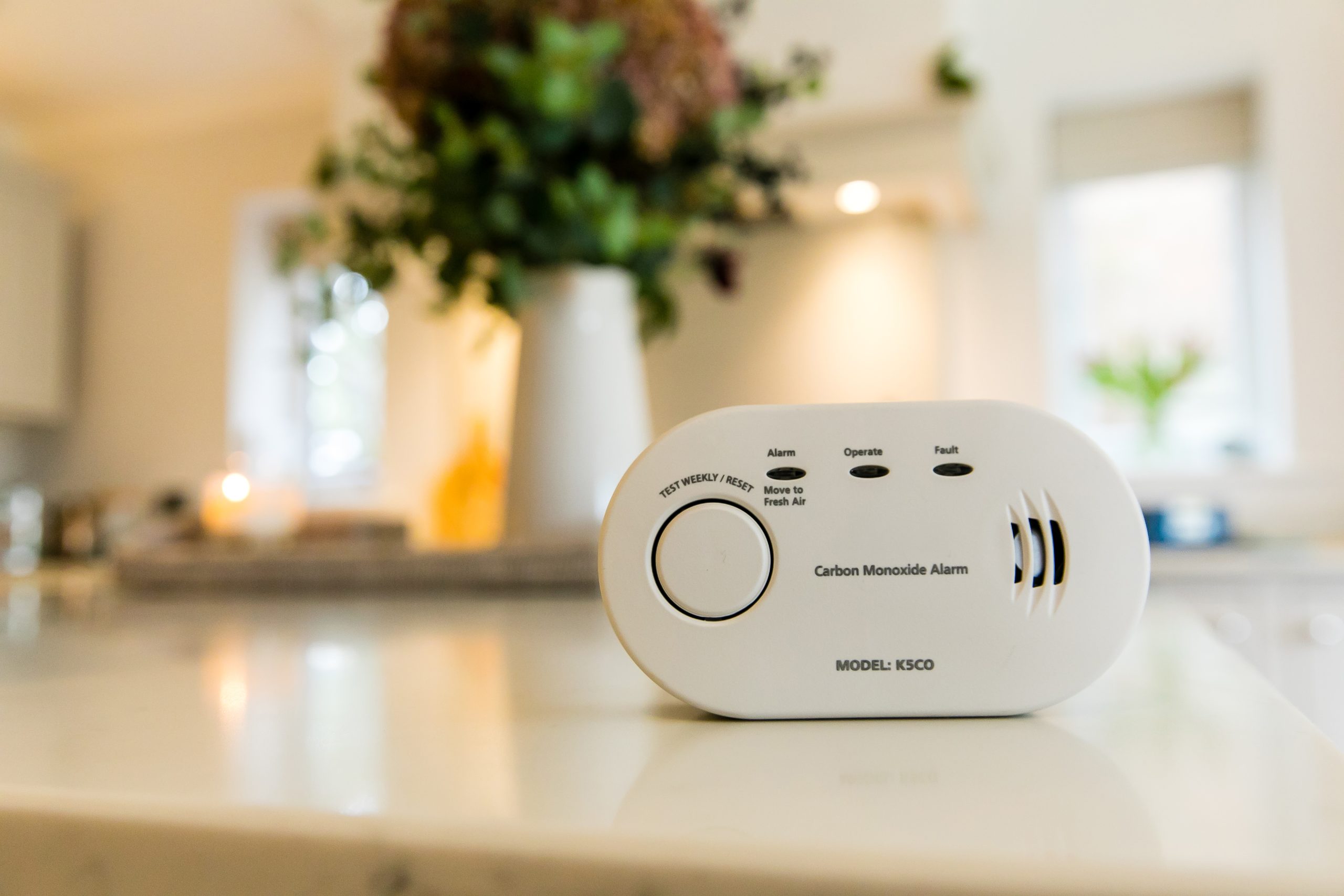
A Carbon Monoxide alarm on a kitchen table

A Carbon Monoxide alarm can save your life

Every home should have an alarm that alerts you to a potential leak of Carbon Monoxide (CO). The alarm should be correctly positioned in your home and tested regularly. 

You can pick one up from your local DIY store, supermarket or online. Your energy supplier may also be able to provide you with one. Always ensure it complies with the British Standard BS EN50291-1. Look out for the BSI kitemark.

Placing your CO alarm in the right place is important for it to work correctly.

You should ideally have one on each level of your house. There should always be an alarm in any room with fuel-burning appliances, such as your boiler, stove or oven.

Always check and follow the manufacturer’s instructions when placing and testing the alarm.

Key things to remember:

✔ Ensure you have a CO alarm on every floor of your home

✔ Make sure the alarms complies with British Standard BS EN50291-1 and has the BSI kitemark

✔ Test your alarm on a regular basis to ensure it’s working correctly

✔ If you suspect a Carbon Monoxide leak, call the National Gas Emergency Service on 0800 111 999

Need Additional Support?

You may be eligible for The Priority Service Register (PSR). It’s a free service that helps you if you experience an unexpected interruption to your gas supply.

Learn More About The PSR

Know the signs of Carbon Monoxide

Lazy Yellow Flame

Your gas hob flame could appear lazy, burning more orange and yellow rather than mostly blue.

Soot, Yellow-Brown Staining & Excessive Condensation

Check for soot or a yellow-brown staining around your appliance. You may also notice a build up of condensation on the window where you have the gas appliance.


Pilot Light

If you pilot light frequently blows out, this can be a sign of a problem and the appliance should be checked out by a registered Gas Safe Engineer immediately.

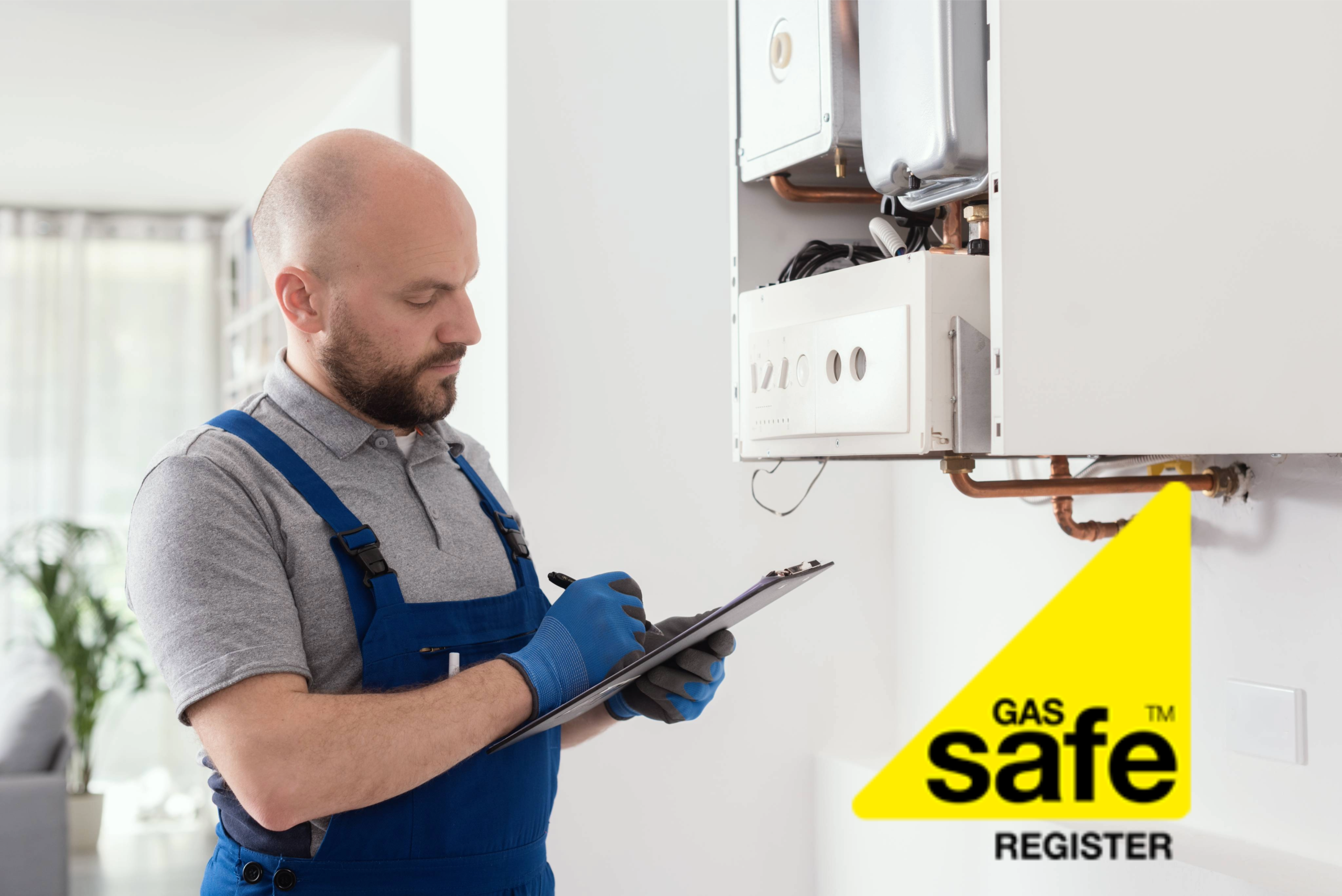
Gas engineer dressed in overalls inspecting a boiler

Maintaining your gas boiler and appliances

If you have a gas boiler you should have it checked by a Gas Safe Registered engineer once a year. They are also on hand to help if you have any concerns with your gas appliances throughout the year.

For more information, or to find an engineer near you, visit gassaferegister.co.uk or call 0800 408 5500. 

Always look out for the yellow triangle.

Ensuring Your Loved Ones Stay Safe and Independent

We understand that some of our vulnerable customers need extra safeguards in place. Our Locking Cooker Valve helps ensure these customers retain their independence at home, while also providing reassurance to their family.

Learn more about locking cooker valves

Carbon Monoxide (CO)

According to the NHS, every year there are around 40 deaths from accidental CO poisoning in England and Wales.

In addition, about 4,000 people a year are admitted to A&E in England and Wales after experiencing CO poisoning symptoms, which are often mistaken for other illnesses, due to flu-like symptoms. People also mistake it for food poisoning, a cold or even a hangover. 

Know the symptoms of Carbon Monoxide poisoning

Icon showing person with headache

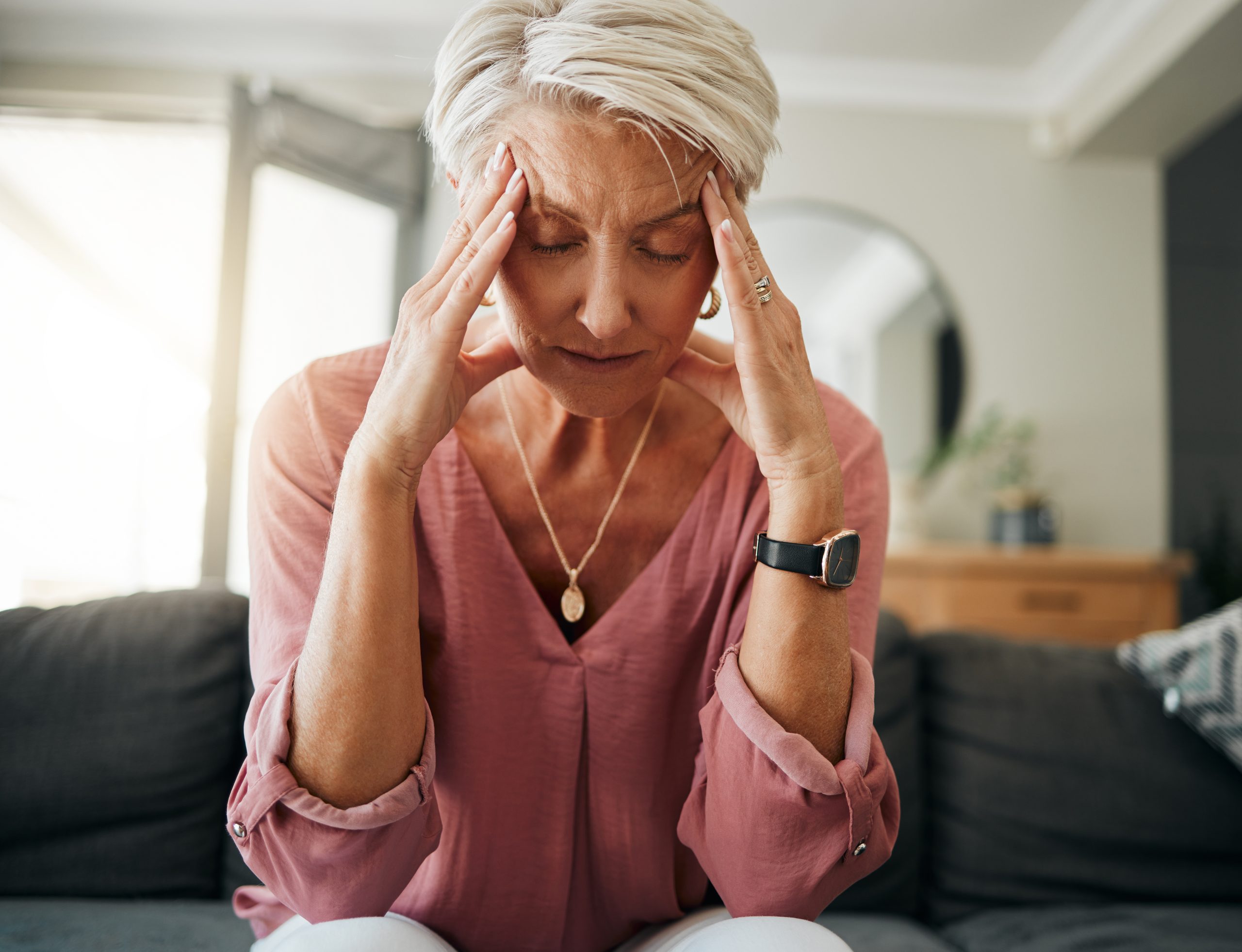
Headache


Icon showing person throwing up into bin

Nausea


Breathlessness


Icon showing person being dizzy, with lines around their head.

Dizziness

Icon showing person collapsed on floor

Collapsing

Icon showing person collapsed on floor with stars around their head to show lack of consciousness.

Loss of Consciousness

Real life stories

  • Learn about Kris’ story
    1

    Show less

    When a beeping carbon monoxide alarm kept going off in Kris Dillon’s home, he was forced to take action.

    “Our boiler is situated in an internal garage above my eight-year-old son’s bedroom.” Kris said. “My wife called me one day to explain that the carbon monoxide alarm that we have in the garage was randomly beeping. I just thought it was the batteries, so asked her to replace it with new ones and see if it stopped. When she called back to say it was still beeping and had been for the past 20 minutes, we googled what to do and called the National Gas Emergency helpline.

    “An engineer from Northern Gas Networks arrived within 20 minutes of us making the call. They did a gas reading and confirmed that carbon monoxide was present in the room and that the reading was quite high. I was shocked.”

    The emergency response engineer then capped the gas in Kris’s home to make it safe until a Gas Safe registered engineer could come out to fix the problem.

    “NGN offered us electric heaters and a stove while our gas was off, and extra blankets to keep warm. The following day, someone came to service the boiler and confirmed that carbon monoxide was no longer leaking from it, reassuring us by taking several further readings.”

    Kris and wife Carly had had the same boiler in place since buying their home seven years ago. “It was the original boiler that was in there when we bought the house but it isn’t particularly old and it’s a reputable brand. We’d had it serviced a few times, but it was due another service last year and we forgot. You just put these things to the back of your mind and think it won’t happen to you. This was a wake-up call.”

    Kris’s son, whose bedroom is above the garage, had complained of feeling unwell the night before the CO alarm started beeping. “Looking back, we wonder if that was down to the gas being emitted and we didn’t know. It’s scary to think what could’ve happened if we hadn’t had an alarm in there.”

    Kris and Carly have since bought more carbon monoxide alarms and put them on every floor of the house on NGN’s advice and scheduled in reminders for an annual boiler service and chimney sweep. “It’s just not worth the risk. Please check your appliances and get a CO alarm. It could save your life.”

  • Ummay's story
    2

    Show less

    Ummay Alam was seven months pregnant when she went for a routine checkup with her midwife.

    While carrying out the standard blow test, which is designed to detect whether carbon monoxide (also known as CO) is present in a patient, Ummay was shocked and alarmed when the reading came back as level 6 – a red flag that the patient is at risk of carbon monoxide poisoning.

    She said: “I couldn’t believe it. At my previous midwife appointments, my results had always been level 1. Up to level 3 is fine, anything between 4 and 9 is cause for concern, and anything above 9 is considered dangerous. To be at level 6 was a shock as we get our boiler serviced every year and the only other gas appliance in the house is a cooker.”

    Following advice from her midwife, Ummay’s husband contacted Northern Gas Networks and we came out the same day to carry out a full assessment on the property. The Gas safe registered engineer confirmed that the gas cooker was omitting CO.

    Ummay adds: “Stupidly we didn’t have a carbon monoxide alarm fitted in the house as we never thought things like this happened. It’s been a real wake up call. Our cooker is only five years old; we bought it when we moved into the house, but looking back we had had problems with it cutting out for the past year or so and even had engineers out to look at it who didn’t spot any signs. We didn’t think anything of it.

    “I was kind of aware of the symptoms of carbon monoxide poisoning, but I’d never have put two and two together as I was heavily pregnant at the time and a lot of the symptoms – nausea, fatigue, headaches – are all similar. I am so glad the midwife picked it up.”

    Being pregnant meant Ummay was eligible for the Priority Services Register and qualified for to have her cooker repaired with new parts, free of charge. “Saving that money was really helpful with an impending newborn, and Northern Gas Networks came to the rescue within just a few days.”

    Ummay and husband Mishbah welcomed their first child, daughter Yaseerah, in September 2024.

What to do if you suspect Carbon Monoxide (CO) poisoning

✔ Open all windows and doors

✔ Immediately go outside into the fresh air

✔ Seek urgent medical attention

✔ Call the National Gas Emergency Service on 0800 111 999


The National Gas Emergency Service is a free service, available 24 hours a day, 365 days a year.

You’ll speak to a trained advisor who will talk you through the steps that you need to take, and will arrange for one of our emergency engineers to be sent straight out. The engineer will then carry out a full safety check, make the situation safe and provide you with safety advice.

Need Additional Support?

You may be eligible for The Priority Service Register (PSR) – a free service which helps you if you experience an unexpected interruption to your gas supply.

Learn More About The PSR