



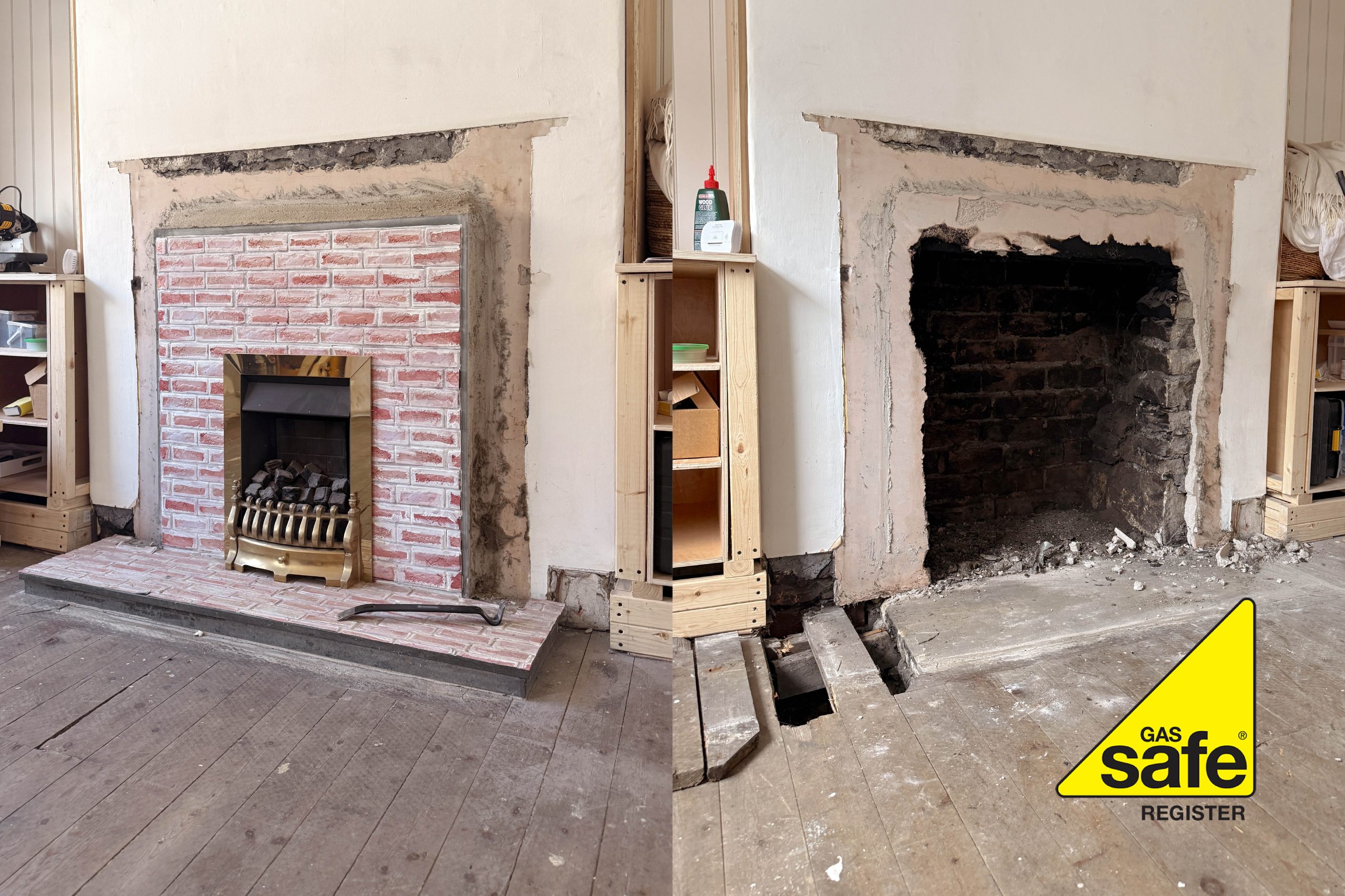
Planning a home renovation? Whether you’re building an extension, upgrading your kitchen or transforming your garden, it’s vital to keep gas safety in mind.
This guide features three essential gas safety at home tips to keep your renovation project safe, compliant and stress-free.
Never DIY gas work. Always use a Gas Safe Registered engineer
By law, any work on gas appliances, pipework, or installations must be carried out by a qualified Gas Safe-registered engineer. In some cases, not using a Gas Safe Registered engineer can invalidate your home insurance.
Trying to install, move or repair a gas appliance yourself could lead to gas leaks, fires, explosions or carbon monoxide poisoning.
To find a qualified engineer:
- Visit the Gas Safe Register website
- Call 0800 408 5500 for advice or to verify an engineer’s credentials
It’s recommended that gas appliances be checked and serviced regularly. We’d advise doing this once a year to keep you and your family safe, and also helping your appliances last longer, saving you money.
If you need any follow-up work in an emergency, ensure this is completed by a Gas Safe Registered engineer.
💡 Top tip: Always ask to see your engineer’s Gas Safe ID card when they arrive.
Know where your gas pipes are before you start work
Before starting any renovation work, especially extensions, it’s essential to understand where your gas pipes are located.
Building over or too close to gas pipes can create serious safety risks and may impact you and your neighbours’ gas supply. Whether working with a contractor or doing the work yourself, here are a few things to consider:
- Avoid building directly over gas pipelines wherever possible
- Always check pipe locations before starting work
- Make sure your plans are safe and compliant before construction begins
It’s always worth locating the pipes in your house well ahead of starting work.
Digging in your garden? Dial Before You Dig
Planning landscaping, fencing, or digging foundations for that extension? This is where one of the most important safety steps comes in, always Dial before you Dig.
Did you know that our gas pipes run underground across the North of England? For this reason, we always recommend reaching out to us first before the shovel hits the ground.
Hitting a gas pipe can be extremely dangerous, putting you, your family and neighbours at risk. Damaging a gas pipe can lead to serious incidents, including gas leaks and emergencies.
We offer a free service to check whether any of our pipes or infrastructure run through your property or in the area you intend to work. All we need is a few details, and we’ll email them to you, usually within an hour.
Find more about this service here on our website, email us at [email protected], or call us on 0800 040 7766.
💡 Remember: It’s quick, it’s free, and it could prevent a serious accident.
Bonus gas safety reminder: Know what to do in an emergency
If you smell gas or suspect carbon monoxide, immediately call the National Gas Emergency Service on 0800 111 999. Lines are open 24/7.
You should also open all doors and windows, avoid using electrical switches and leave the property immediately.
Renovating your home should be exciting, not stressful. By following these simple steps, you’ll protect your home, your family and your project from unnecessary risks.
For more advice, tips and guidance on gas safety at home, explore our gas safety page to learn how to safe all year round.